Treatments

Regain your lifestyle with advanced joint replacement surgery

Joint replacement surgery, also known as arthroplasty, is a surgical procedure performed to relieve pain and regain motion in a damaged joint.

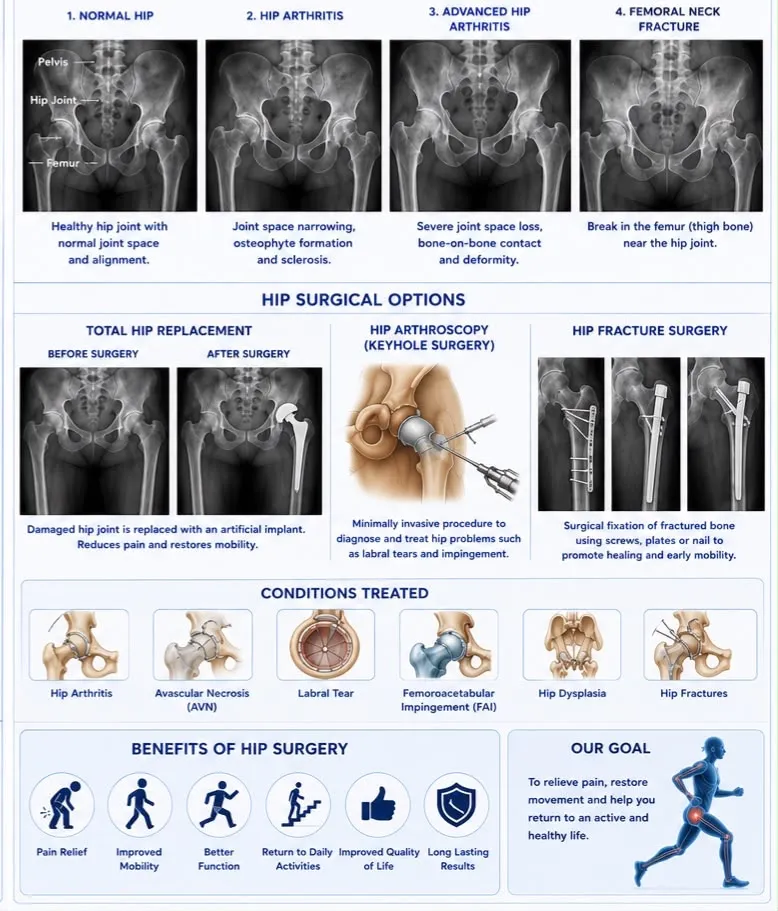
Hip surgery overview: normal hip, arthritis, advanced arthritis, femoral neck fracture, surgical options, and conditions treated
Hip replacement — conditions & surgical options
01

Hip

When conservative measures, including medication, physical therapy, and lifestyle changes, are ineffective in treating significant hip pain and function loss, hip replacement surgery is often advised.

  • Total Hip Replacement
  • Robotic Total Hip Replacement

Types of hip replacement

  • Total Hip Replacement (THR)
  • Minimally Invasive Hip Replacement
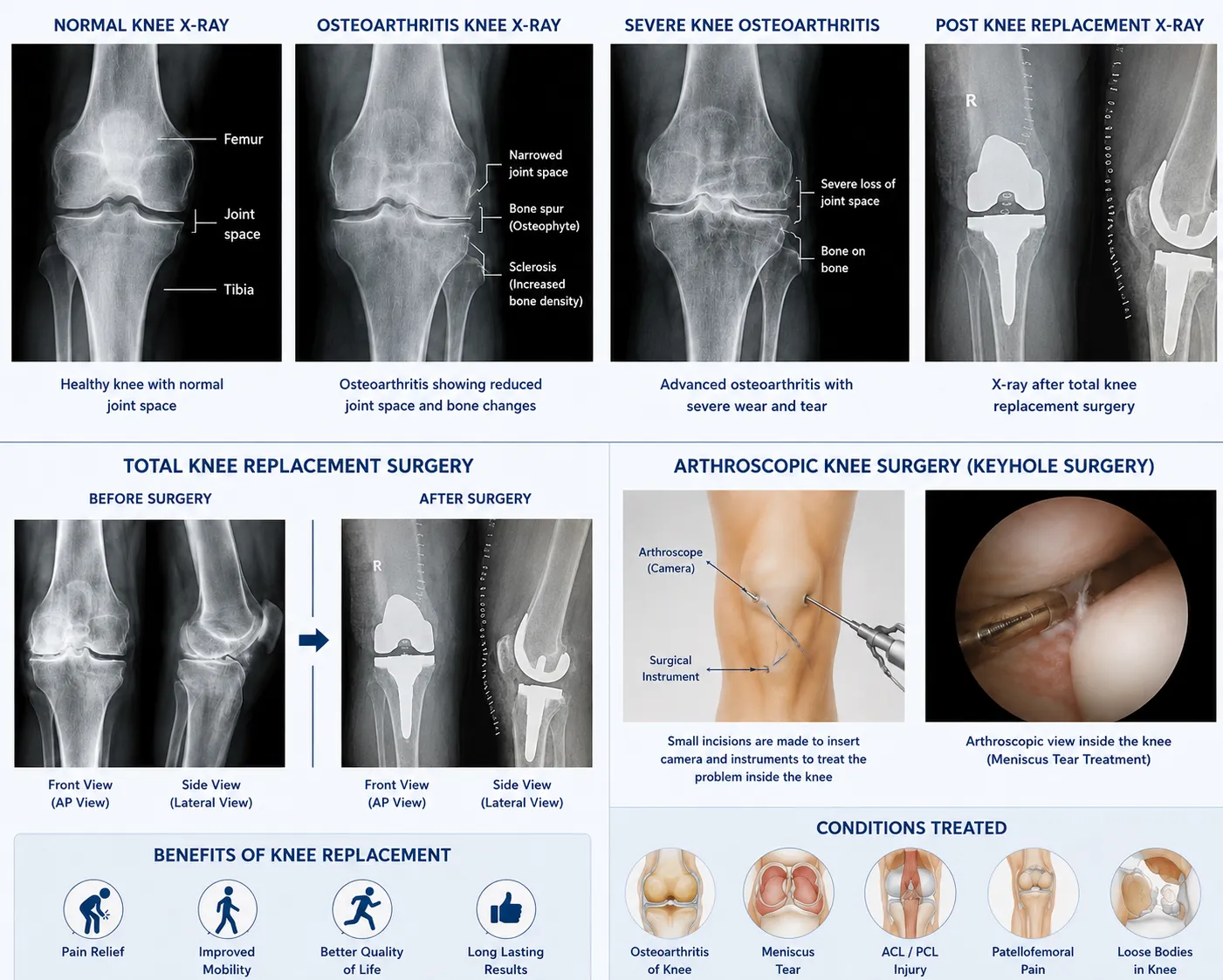
Total knee replacement overview: knee X-rays, osteoarthritis, surgical options, and conditions treated
Total knee replacement — conditions & surgical options
02

Knee

Total knee replacement (TKR) is a surgery in which some or all parts of the damaged, diseased or worn bone and cartilage of the patient’s knee joint are replaced with an artificial joint to correct any leg deformities and relieve pain.

  • Knee Replacement (Total Knee Replacement)
  • Robotic Total Knee Replacement
  • Robotic Knee Replacement Surgery
  • ACL Reconstruction
  • PCL Reconstruction
  • Meniscus Repair
  • High Tibial Osteotomy (HTO)

Approaches to total knee replacement

  • Traditional knee replacement
  • Minimally invasive knee replacement
  • Robot-assisted surgery
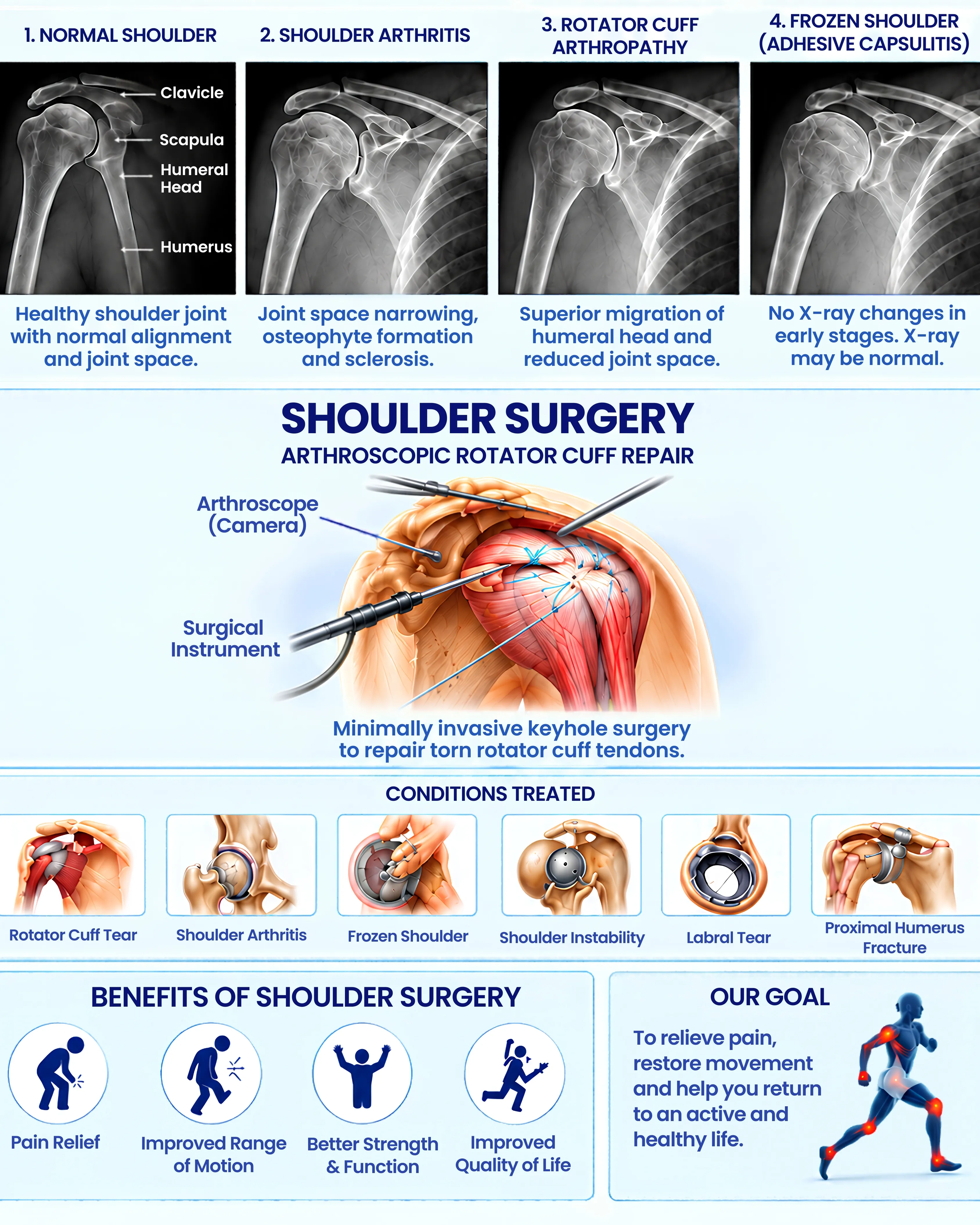
Shoulder surgery overview: normal shoulder, arthritis, rotator cuff repair, and conditions treated
Shoulder surgery — conditions & arthroscopic repair
03

Shoulder

Shoulder arthroscopy is used to address issues such as rotator cuff tears, shoulder impingement, and labral tears. Surgeons can repair or reconstruct damaged structures within the shoulder joint.

  • Arthroscopic Rotator Cuff Repair
  • Shoulder Surgery for Rotator Cuff Tears & Bankart Repair
  • Arthroscopic SLAP Repair
  • Total Shoulder Replacement
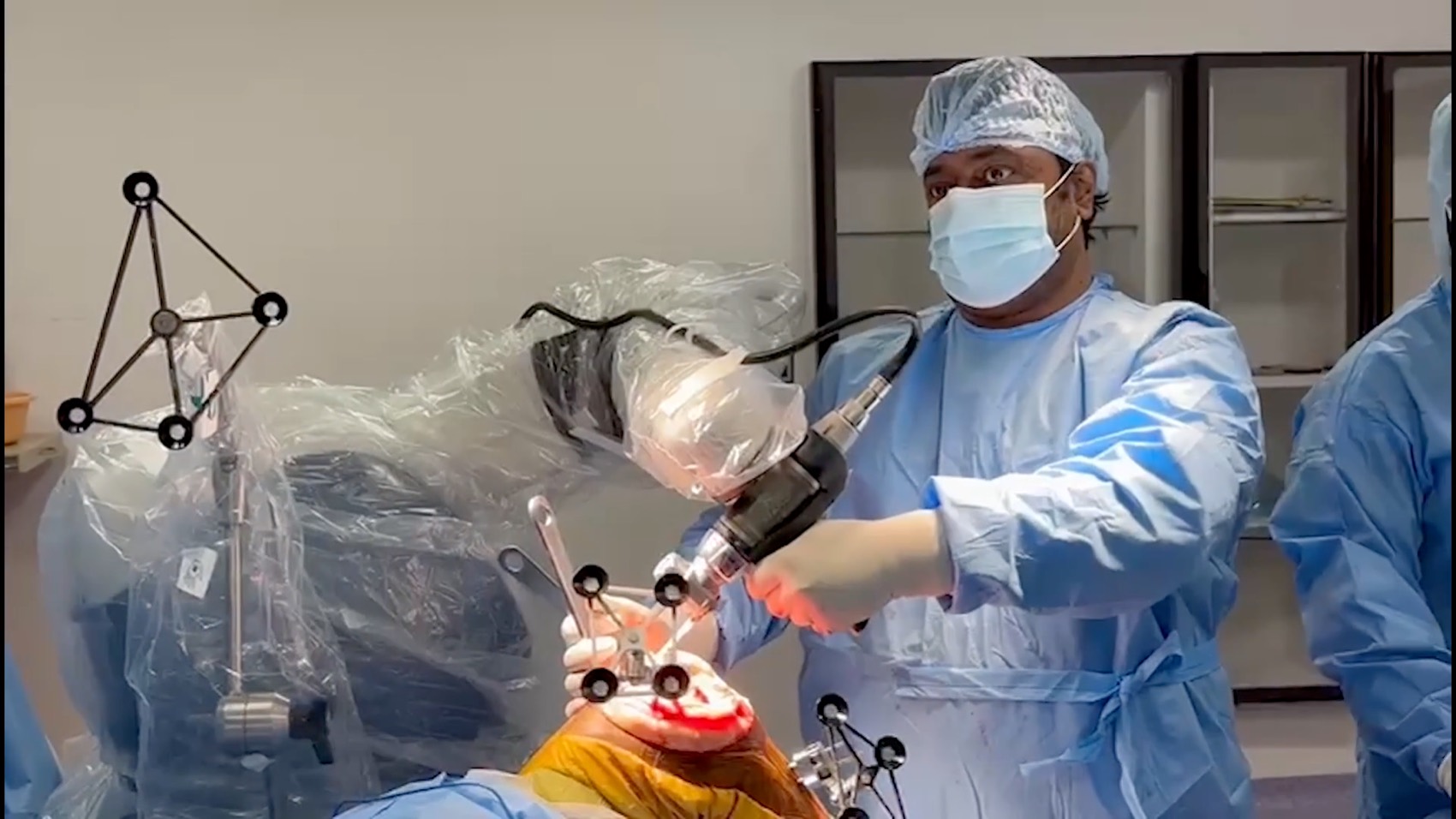
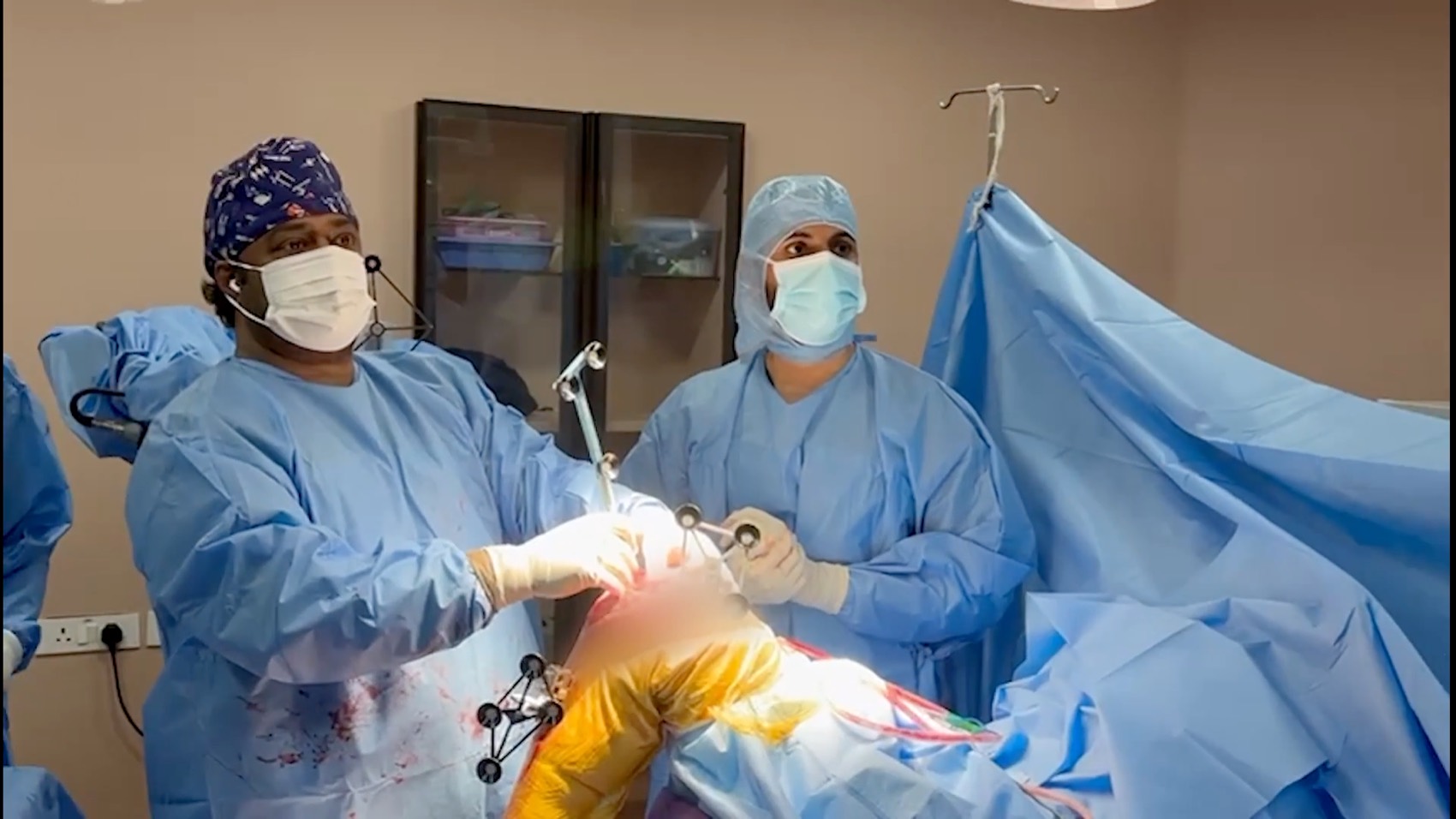
A surgeon operating with a robotic arm during a knee replacement
Robot-assisted surgery in the operating theatre
04

Robotic surgery

Robot-assisted knee replacement surgery utilises computed navigation, 3D models of the knee and special robotic tools to perform both traditional, as well as minimally invasive knee replacement surgeries. The method offers several benefits including better precision, smaller incisions, quicker recovery, better fit of the knee joint and lesser wear and tear.

  • Robotic Surgeries
  • Robotic Total Hip Replacement Surgery
  • Robotic Total Knee Replacement
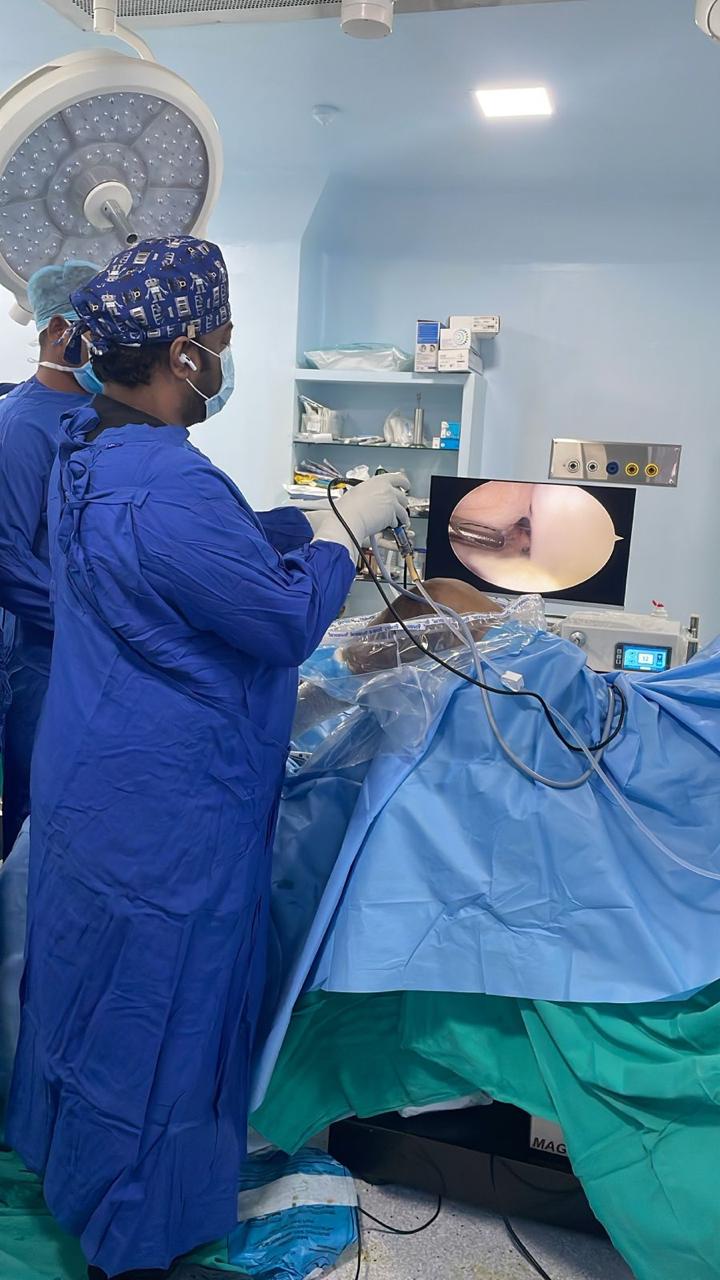
Dr. Kishore performing arthroscopic surgery, with the joint camera view on the monitor
Arthroscopic surgery
05

Arthroscopy & sports medicine

Arthroscopy is a minimally invasive surgical procedure that allows orthopedic surgeons to visualize, diagnose, and treat problems inside a joint. Patients typically experience less pain, reduced scarring, and a quicker recovery time.

Conditions it can treat

  • Meniscus tears
  • Ligament injuries
  • Cartilage damage
  • Joint inflammation
  • Loose bodies in the joint
  • Synovitis (inflammation of the joint lining)

Performed on

  • Knee
  • Shoulder
  • Ankle
  • Hip
  • Wrist

Patient guides

Understand your treatment in detail

Who needs surgery, how each technique differs, and what to expect, for knee, hip and arthroscopy.

Hip replacement

Hip replacement surgery

Who is eligible for hip replacement surgery

When conservative measures, including medication, physical therapy, and lifestyle changes, are ineffective in treating significant hip pain and function loss, hip replacement surgery is often advised. Typical ailments that could necessitate hip replacement surgery include:

  • Osteoarthritis
  • Rheumatoid arthritis
  • Trauma or injury
  • Avascular necrosis
  • Childhood hip diseases

An orthopaedic surgeon is often part of the healthcare team that decides whether you should have hip replacement surgery. This team will review your medical history, conduct a physical examination, and request imaging studies to assess the severity of joint damage.

A hip replacement surgery is extremely beneficial for patients with chronic hip pain and restricted mobility. Normally, such a patient will be in continuous pain and require a lifelong supply of painkillers and anti-inflammatory medications. With this surgery, one can avoid this and achieve painless mobility.

Types of hip replacement surgery

Based on your age, general health, and the severity of your hip joint injury, your surgeon will decide which hip replacement operation is best for you.

Total Hip Replacement (THR)
This procedure is the most popular for hip replacement. It entails using a metal, plastic, or ceramic prosthesis to replace the injured hip joint.
Minimally Invasive Hip Replacement
This method uses tiny incisions and specialized tools to access the hip joint. Compared to conventional hip replacement surgery, it could lead to less discomfort and a quicker recovery.

Knee replacement

Total knee replacement

Total knee replacement (TKR) is a surgery in which some or all parts of the damaged, diseased or worn bone and cartilage of the patient’s knee joint are replaced with an artificial joint to correct any leg deformities and relieve pain.

Severe knee damage resulting from an injury or conditions like osteoarthritis or rheumatoid arthritis can make everyday activities such as walking, climbing stairs, sitting or lying down painful and challenging. The doctor may recommend total knee replacement if options such as medications, injections, modification of activities or using walking supports do not help.

Total knee replacement surgery, also known as knee arthroplasty, knee resurfacing or knee replacement, is a procedure that helps repair an injured or damaged knee. Typically, in a total knee replacement, the bones forming the knee joint are capped with plastic or metal parts or a prosthetic (artificial) knee shaped as a joint is implanted. This helps relieve pain and allows the person to move their knee properly and resume their everyday activities.

2.5lakh

In India, over 2.5 lakh people undergo knee replacement surgery annually.

2.5×

In the last five years, the number of knee surgeries has increased by 2.5 times.

Types of knee replacement

There are many different types of total knee replacement surgeries including:

i

Traditional knee replacement

8–10 inch incision

This technique uses an 8–10 inch incision. In the traditional TKR, the quadriceps tendon is cut into and the kneecap is turned over to expose the knee joint. This technique takes around 3–5 days of recovery in the hospital.

ii

Minimally invasive knee replacement

4–6 inch incision

In this technique, the incision made is much smaller, around 4–6 inches, which requires lesser cutting of the ligaments and tendons and, thus, lesser blood loss, trauma to the tissue and post-operative pain, quicker recovery and a shorter hospital stay.

iii

Robot-assisted surgery

Computed navigation & 3D models

Robot-assisted knee replacement surgery utilises computed navigation, 3D models of the knee and special robotic tools to perform both traditional, as well as minimally invasive knee replacement surgeries. The method offers several benefits including better precision, smaller incisions, quicker recovery, better fit of the knee joint and lesser wear and tear.

Who needs total knee replacement surgery

Typically, total knee replacement surgery is recommended for people having:

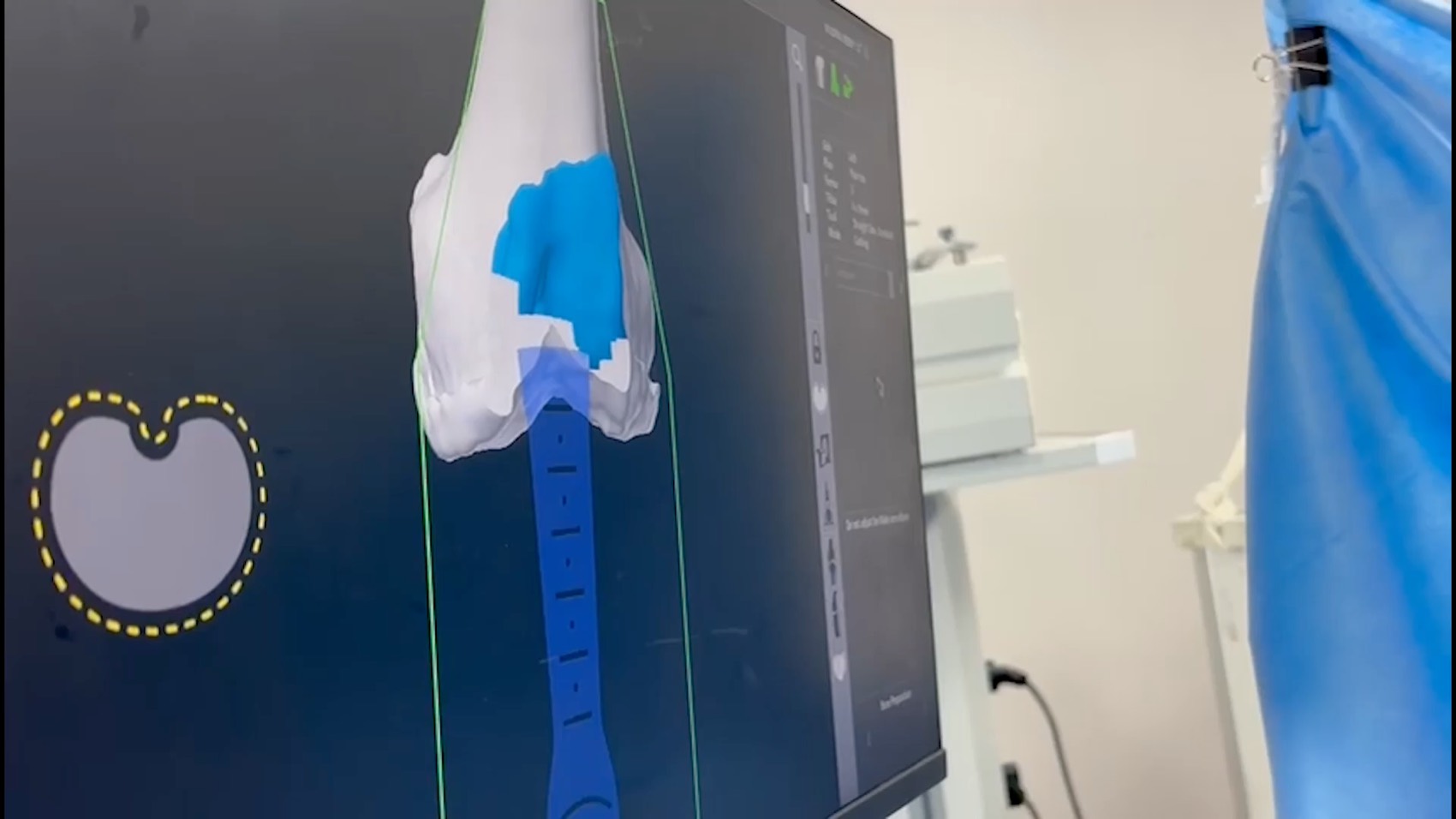
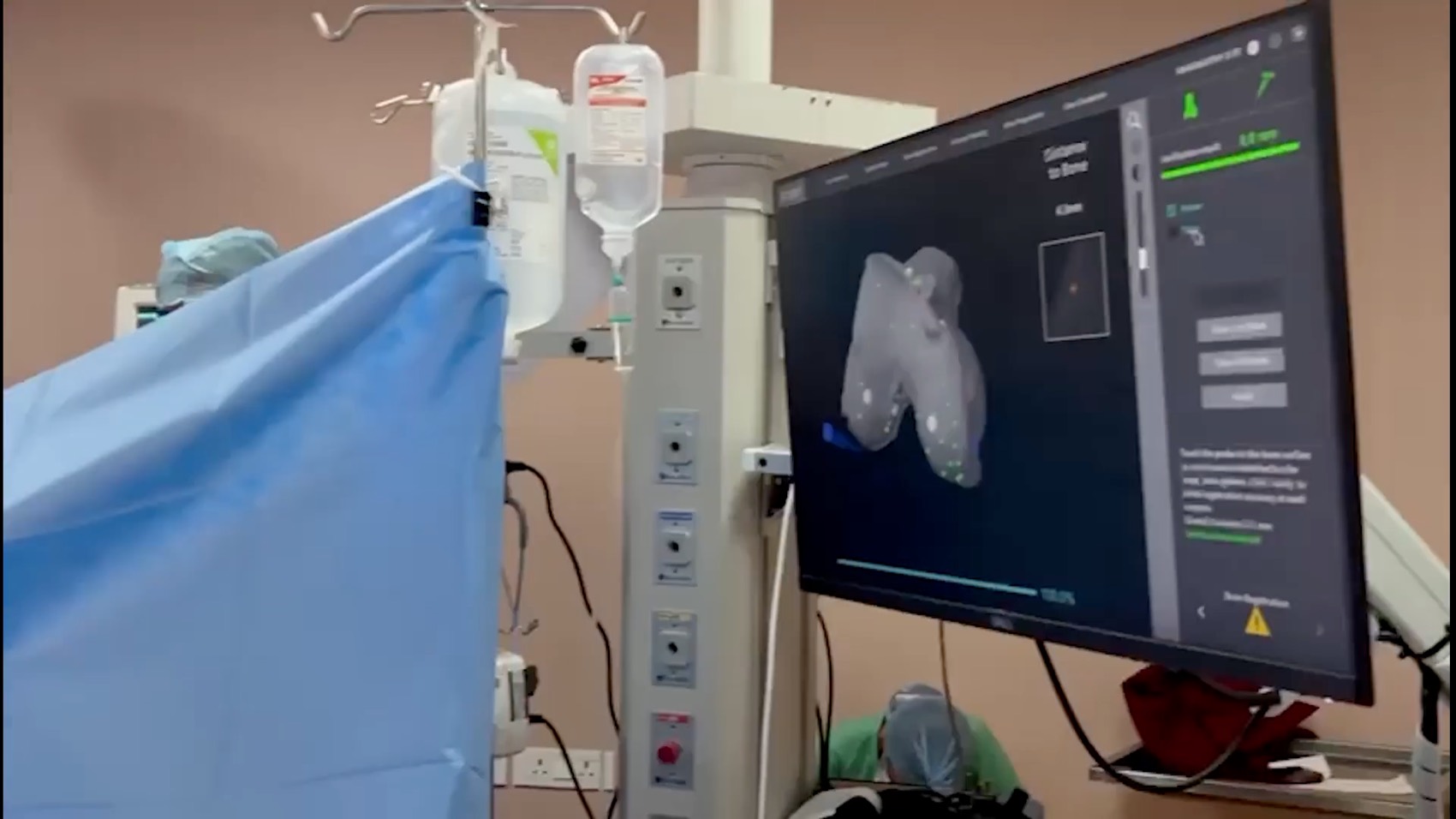
Three-dimensional model of the knee on a surgical navigation screen
3D model of the knee, used in robot-assisted surgery
  1. Severe pain in the knee or stiffness that affects mobility and makes it very difficult for them to go about their daily routine tasks such as walking, climbing stairs, sitting on and getting up from a chair and getting into and out of vehicles.
  2. Severe knee pain that does not get better, even while resting or sleeping and that interferes with sleep and hampers quality of life.
  3. Knee pain and looking for long-lasting relief.
  4. Severe knee swelling and inflammation that does not get better even after resting or taking medications.
  5. Knee deformity (arch outside or inside the knee).
  6. No other options because all other non-surgical options such as medications haven’t worked.
  7. Depression due to the inability to go about routine or social activity.

Arthroscopy & sports medicine

Seeing inside the joint, through a tiny incision

Dr. Kishore performing arthroscopic surgery, with the joint camera view on the monitor
Arthroscopic surgery

Arthroscopy is a minimally invasive surgical procedure that allows orthopedic surgeons to visualize, diagnose, and treat problems inside a joint. The term “arthroscopy” comes from the Greek words “arthro,” meaning joint, and “skopein,” meaning to look. During the procedure, a small camera called an arthroscope is inserted into the joint through a tiny incision. This camera transmits images to a monitor, enabling the surgeon to see the joint’s interior in real-time.

The primary purpose of arthroscopy is to provide a clear view of the joint structures, which can help in diagnosing various conditions. It is commonly performed on joints such as the knee, shoulder, ankle, hip, and wrist. The procedure can also be therapeutic, allowing surgeons to perform repairs or remove damaged tissue, such as torn cartilage or loose bone fragments.

Arthroscopy is often preferred over traditional open surgery due to its minimally invasive nature. Patients typically experience less pain, reduced scarring, and a quicker recovery time. The procedure can treat a variety of conditions, including:

  • Meniscus tears
  • Ligament injuries
  • Cartilage damage
  • Joint inflammation
  • Loose bodies in the joint
  • Synovitis (inflammation of the joint lining)

By using arthroscopy, surgeons can address these issues with precision, leading to improved outcomes for patients.

Why is arthroscopy done?

Arthroscopy is typically recommended when a patient experiences persistent joint pain, swelling, or limited range of motion that does not improve with conservative treatments such as physical therapy, medication, or rest. The symptoms that may lead to the recommendation of an arthroscopy include:

  • Chronic joint pain that interferes with daily activities
  • Swelling and inflammation that does not subside
  • A feeling of instability or weakness in the joint
  • Locking or catching sensations in the joint
  • Limited mobility or difficulty performing specific movements

In many cases, patients may have undergone imaging tests, such as X-rays or MRI scans, which reveal abnormalities in the joint. However, these tests may not provide a complete picture of the joint’s condition. Arthroscopy allows the surgeon to directly visualize the joint and make a more accurate diagnosis.

The decision to proceed with arthroscopy is often based on the severity of the symptoms, the patient’s overall health, and the specific joint involved. For example, athletes or active individuals may be more likely to opt for arthroscopy to expedite recovery and return to their activities.

Indications for arthroscopy

Several clinical situations and diagnostic findings can indicate the need for arthroscopy. These include:

  1. Meniscus tears Commonly seen in athletes, meniscus tears can cause pain, swelling, and limited mobility. Arthroscopy allows for the repair or removal of the damaged meniscus.
  2. Ligament injuries Injuries to ligaments, such as the anterior cruciate ligament (ACL) in the knee, may require arthroscopic reconstruction to restore stability to the joint.
  3. Cartilage damage Damage to the cartilage can lead to joint pain and arthritis. Arthroscopy can be used to repair or smooth out damaged cartilage.
  4. Loose bodies Fragments of bone or cartilage that become loose in the joint can cause pain and locking. Arthroscopy can remove these loose bodies, alleviating symptoms.
  5. Joint inflammation Conditions like rheumatoid arthritis can cause inflammation of the joint lining. Arthroscopy can help in diagnosing and treating synovitis.
  6. Chronic joint pain When conservative treatments fail to relieve chronic joint pain, arthroscopy may be recommended to identify and address the underlying cause.
  7. Joint instability Patients experiencing joint instability may benefit from arthroscopic procedures to repair or reconstruct damaged ligaments.
  8. Diagnostic purposes In some cases, arthroscopy is performed solely for diagnostic purposes when other imaging techniques do not provide sufficient information.

The decision to undergo arthroscopy is made collaboratively between the patient and the orthopedic surgeon, taking into account the patient’s symptoms, medical history, and overall health.

Types of arthroscopy

While arthroscopy is a singular procedure, it can be performed on various joints, each with specific techniques tailored to the joint being treated. Here are some common types of arthroscopy based on the joint involved:

Knee arthroscopy

This is one of the most common types of arthroscopy. It is often used to treat meniscus tears, ACL injuries, and cartilage damage. The procedure can involve repairing or removing damaged tissue and is typically performed on an outpatient basis.

Shoulder arthroscopy

This procedure is used to address issues such as rotator cuff tears, shoulder impingement, and labral tears. Surgeons can repair or reconstruct damaged structures within the shoulder joint.

Ankle arthroscopy

Ankle arthroscopy is performed to treat conditions like ankle impingement, ligament injuries, and loose bodies. It allows for precise treatment of the ankle joint with minimal disruption to surrounding tissues.

Hip arthroscopy

This type of arthroscopy is used to treat hip labral tears, femoroacetabular impingement, and other hip joint issues. It is less common than knee or shoulder arthroscopy but can be highly effective.

Wrist arthroscopy

Wrist arthroscopy is performed to diagnose and treat conditions such as wrist ligament injuries, ganglion cysts, and cartilage damage. It provides a clear view of the intricate structures within the wrist.
Each type of arthroscopy has its specific indications and techniques, but the overarching goal remains the same: to provide effective treatment with minimal invasiveness.

Contraindications for arthroscopy

While arthroscopy is a minimally invasive procedure that can provide significant benefits for many patients, there are certain conditions and factors that may make a patient unsuitable for this type of surgery. Understanding these contraindications is crucial for both patients and healthcare providers to ensure safety and optimal outcomes.

If there is an active infection in the joint, performing arthroscopy can exacerbate the condition and lead to further complications. In such cases, the infection must be treated before considering surgery.

Patients with uncontrolled diabetes, heart disease, or other serious medical conditions may not be ideal candidates for arthroscopy. These conditions can increase the risk of complications during and after the procedure.

In cases where there is significant joint deformity or damage, arthroscopy may not be effective. Patients with advanced osteoarthritis or other degenerative joint diseases may require more extensive surgical interventions.

Patients with conditions that affect blood clotting, such as hemophilia or those on anticoagulant therapy, may face increased risks during arthroscopy. It is essential to manage these conditions before proceeding with surgery.

While not an absolute contraindication, obesity can complicate arthroscopic procedures. Excess weight may increase the risk of complications and affect the overall success of the surgery.

Patients with known allergies to anesthesia or specific medications used during the procedure should inform their healthcare provider. Alternative options may need to be considered.

Pregnant patients may be advised against undergoing arthroscopy due to potential risks to both the mother and the fetus. It is essential to discuss any pregnancy-related concerns with a healthcare provider.

A history of multiple surgeries on the same joint may complicate the arthroscopic approach. Scar tissue and anatomical changes can make the procedure more challenging.

Patients who may struggle to adhere to post-operative care instructions, such as rehabilitation protocols, may not be suitable candidates for arthroscopy.

By identifying these contraindications, healthcare providers can better assess a patient’s suitability for arthroscopy and recommend alternative treatments when necessary.

Arthroscopy is a valuable tool in modern orthopedic surgery, offering patients a less invasive option for diagnosing and treating joint conditions. With its ability to provide clear visualization of joint structures and facilitate targeted interventions, arthroscopy has become a preferred choice for many orthopedic surgeons and their patients.

Consult Dr. Kishore

Book an appointment.

Experience dedicated care focused on your well-being and recovery.